In recent years, people around the world have started looking for healthier alternatives to refined sugar. Rising concerns about diabetes, obesity, and overall metabolic health have pushed consumers toward natural, low-calorie sweeteners. Among these alternatives, It has gained significant popularity. But what exactly is monk fruit, and is this sweetener safe and beneficial for everyday use?
This article explains what monk fruit is, how It is made, its health benefits, possible side effects, and overall safety, helping you decide whether it’s the right sugar substitute for you.
What Is Monk Fruit?
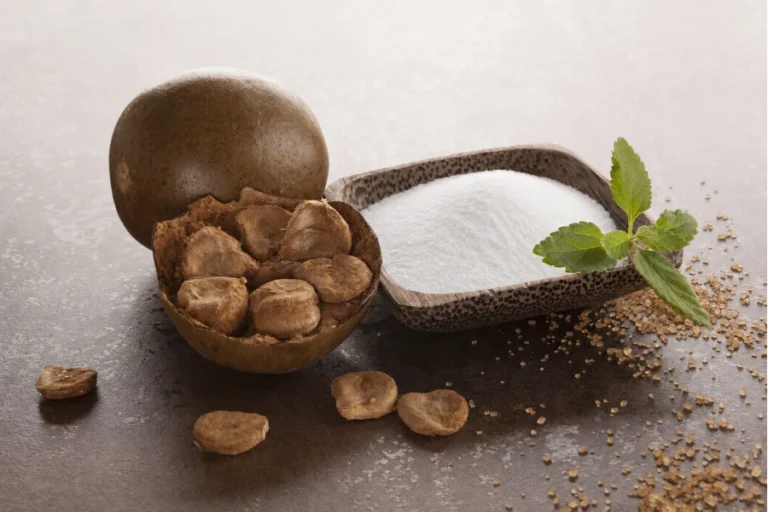
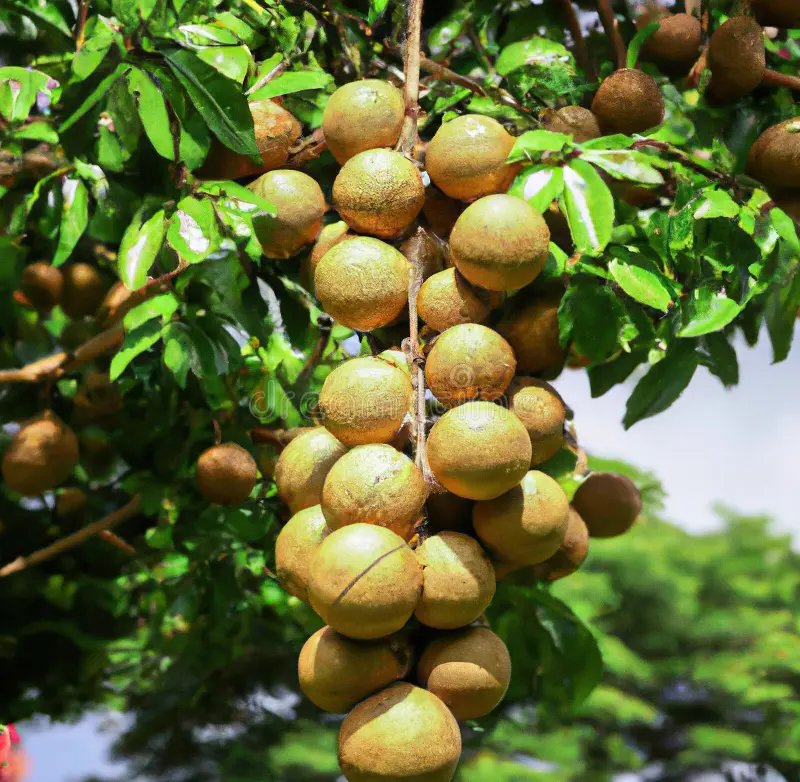
Monk fruit, scientifically known as Siraitia grosvenorii, is a small, round green fruit native to southern China and parts of Southeast Asia. It has been used in Traditional Chinese Medicine (TCM) for hundreds of years, mainly to treat coughs, sore throats, and digestive issues.
The fruit gets its name from Buddhist monks who first cultivated it during the 13th century. Fresh monk fruit is rarely eaten because it spoils quickly and has an unpleasant taste when raw. Instead, it is dried and processed to extract its natural sweetness.
What Is Monk Fruit Sweetener?
It is made by extracting compounds called mogrosides from this. Mogrosides are responsible for the fruit’s intense sweetness—up to 150–250 times sweeter than regular sugar.
Unlike sugar, mogrosides contain zero calories and do not raise blood glucose levels, making monk fruit sweetener a popular choice among diabetics, keto followers, and health-conscious individuals.
Most commercial monk fruit sweeteners are available in:
- Powder form
- Liquid drops
- Granulated blends (often mixed with erythritol)
How Is Monk Fruit Sweetener Made?
The process typically involves:
- Harvesting ripe monk fruits
- Removing the skin and seeds
- Crushing the fruit to release juice
- Filtering and extracting mogrosides
- Drying the extract into powder or liquid form
High-quality monk fruit sweeteners are carefully purified to remove bitterness while retaining sweetness.
Nutritional Profile of Monk Fruit Sweetener

It contains:
- Zero calories
- Zero carbohydrates
- Zero fat
- No protein
- No impact on blood sugar
Because of this, it is often recommended as a natural sugar substitute for people managing weight, diabetes, or metabolic disorders.
Health Benefits of Monk Fruit Sweetener
1. Zero Glycemic Impact
One of the biggest benefits of monk fruit is that it does not raise blood sugar or insulin levels. This makes it ideal for:
- People with diabetes
- Pre-diabetics
- Those on low-glycemic or keto diets
2. Supports Weight Management
Since monk fruit sweetener contains no calories, it helps reduce overall calorie intake without sacrificing sweetness. This can support:
- Weight loss
- Healthy weight maintenance
3. Natural and Plant-Based
Monk fruit sweetener is derived from a plant, not synthesized chemically. This makes it appealing to people who prefer natural sweeteners over artificial options like aspartame or sucralose.
4. Rich in Antioxidant Properties
Mogrosides have antioxidant and anti-inflammatory properties, which may help reduce oxidative stress in the body and support overall health.
5. Tooth-Friendly
Unlike sugar, It does not promote tooth decay because it does not feed harmful oral bacteria.
Monk Fruit vs Sugar
| Feature | Sugar | Monk Fruit Sweetener |
|---|---|---|
| Calories | High | Zero |
| Glycemic Index | High | Zero |
| Diabetes Friendly | No | Yes |
| Tooth Decay Risk | High | No |
| Natural Source | Processed | Plant-based |
Monk Fruit Sweetener vs Other Sweeteners
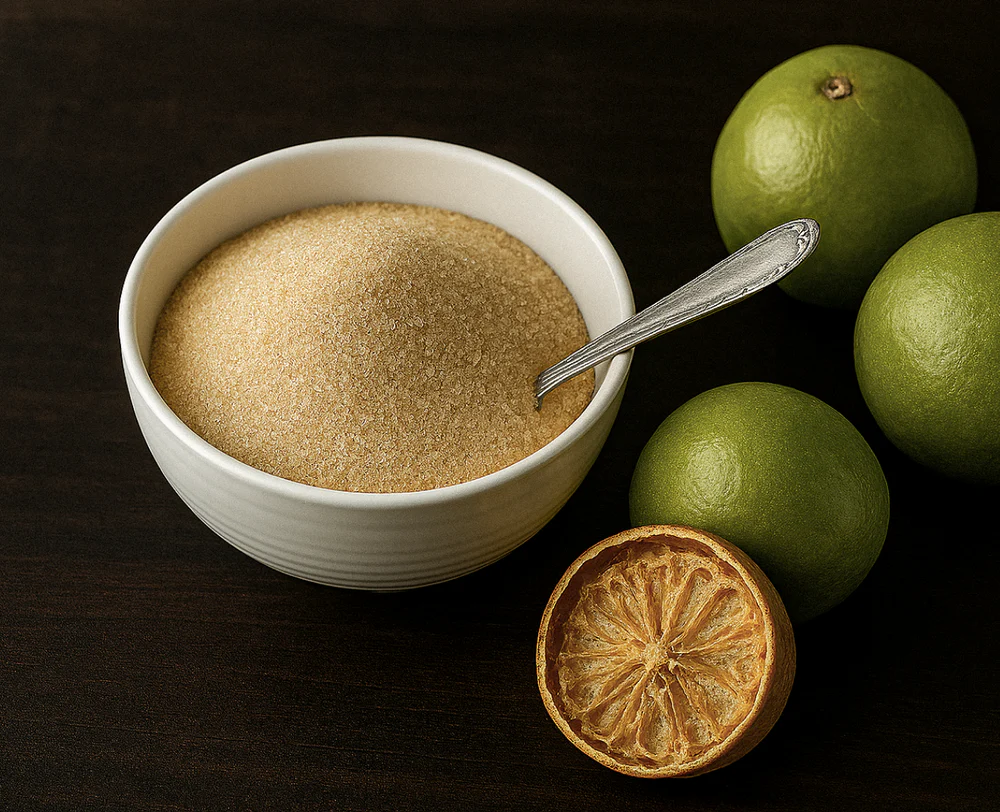
Monk Fruit vs Stevia
- Both are natural and calorie-free
- It has no bitter aftertaste (a common complaint with stevia)
- It is generally considered more palatable
Monk Fruit vs Artificial Sweeteners
- Artificial sweeteners are lab-made
- It is naturally derived
- It has fewer reported side effects
Is it Sweetener Safe?
Yes, this fruit sweetener is considered safe for human consumption.
- It has been approved as Generally Recognized As Safe (GRAS) by the U.S. FDA
- Used traditionally in China for centuries
- No known toxic effects
Safe for Specific Groups
- Diabetics: Yes
- Children: Yes (in moderation)
- Pregnant women: Generally safe, but consult a doctor
- Keto and low-carb diets: Fully compatible
How to Use Monk Fruit
Monk fruit sweetener can be used in:
- Tea and coffee
- Baking and desserts
- Smoothies
- Sauces and dressings
Baking Tip
Because monk fruit is much sweeter than sugar, recipes often require less quantity. Some blends are designed to substitute sugar 1:1 for easier baking.
How to Choose the Best Monk Fruit Sweetener
look for:
- High mogroside content
- No artificial sweeteners
- Minimal fillers
- Reputable brands with transparent labeling
Avoid products that list:
- Aspartame
- Saccharin
- Maltodextrin (in excess)
Who Should Use Monk Fruit Sweetener?
It is ideal for:
- People with diabetes
- Fitness enthusiasts
- Keto and paleo followers
- Anyone reducing sugar intake
This sweetener offer a natural, zero-calorie alternative to sugar without compromising taste or safety. With no impact on blood sugar, antioxidant properties, and centuries of traditional use, monk fruit sweetener stands out as one of the healthiest sugar substitutes available today.
While moderation is always key, It can be a valuable addition to a balanced diet—especially for those seeking better metabolic health and reduced sugar consumption.