
Monk Fruit is a Natural Sweetener With Zero GI
In the ongoing quest for healthy alternatives to sugar, monk fruit has emerged as a promising natural sweetener, particularly for those managing diabetes. Known scientifically as Siraitia grosvenorii, this small, green melon native to southern China has been used for centuries in Traditional Chinese Medicine. Today, its extract is gaining recognition as a safe, zero-calorie sweetener that doesn’t spike blood sugar levels, making it potentially beneficial for diabetes management. Let’s explore how this ancient fruit might offer modern solutions for blood sugar control.
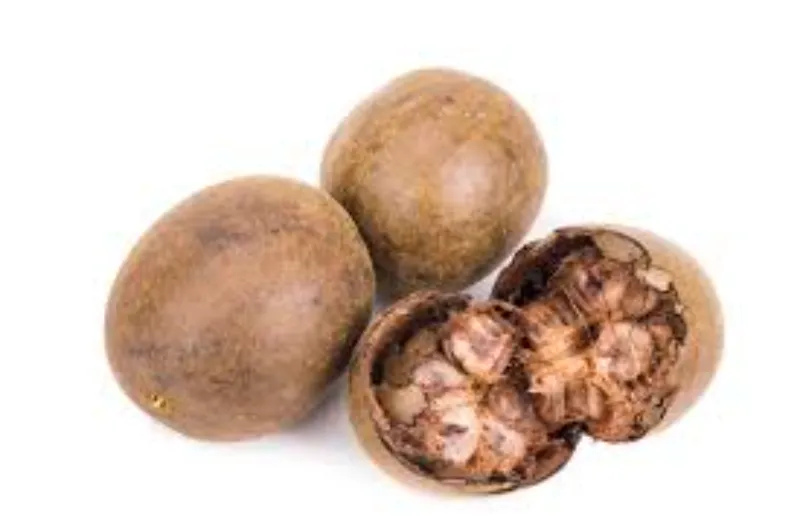
How Monk Fruit is Sweet Without the Sugar?
Unlike other artificial sweeteners, monk fruit contains natural compounds called mogrosides, which are 200x sweeter than sugar but contain no calories or carbohydrates. These mogrosides are metabolized differently than sugar—they pass through the body without being broken down into glucose, meaning they don’t contribute to blood sugar spikes. This unique property makes monk fruit particularly relevant for diabetes care.
7 Evidence-Based Benefits of Monk Fruit for Diabetes Management
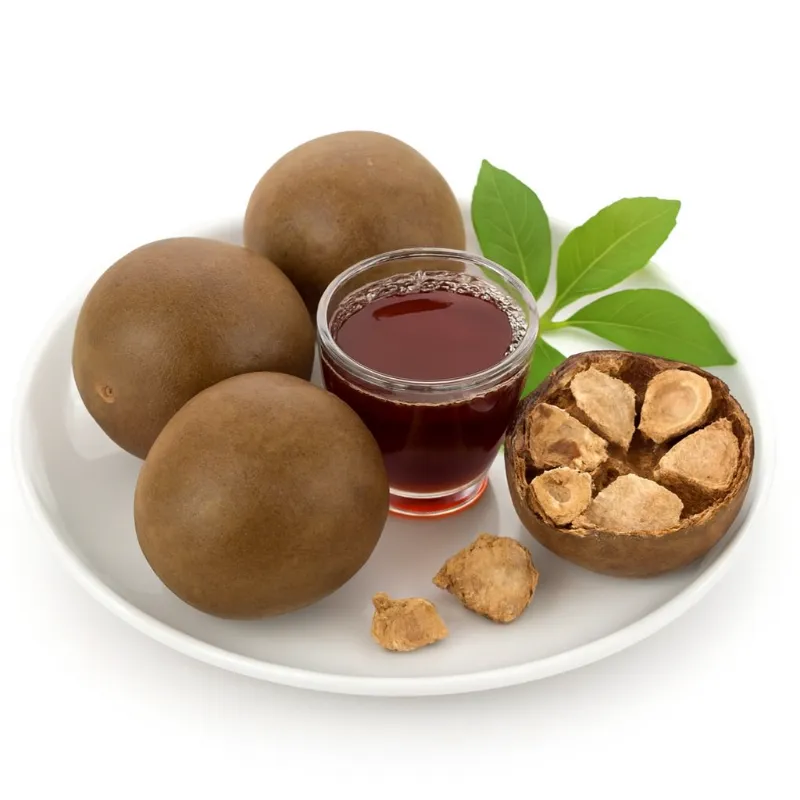
Zero Glycemic Impact of Monk Fruit
Monk fruit sweeteners have a glycemic index of zero, meaning they don’t raise blood glucose or insulin levels when consumed. For people with diabetes, this provides the sweetness they crave without compromising blood sugar control, unlike regular sugar, honey, or even some natural alternatives, such as agave.
Weight Management with Monk Fruit
Obesity is a significant risk factor for type 2 diabetes. By replacing sugar with zero-calorie monk fruit sweetener, individuals can significantly reduce their daily calorie intake, supporting weight loss and maintenance goals. Research suggests that reducing added sugars is one of the most effective dietary changes for diabetes management.
Reduced Sugar Cravings
The intense sweetness of monk fruit extract may help satisfy sweet cravings without negative consequences. By gradually replacing sugar with monk fruit in beverages, baked goods, and recipes, people with diabetes can retrain their taste preferences away from excessively sweet foods.
Antioxidant Properties of Monk Fruit
Beyond its sweetness, monk fruit contains antioxidants that may benefit overall metabolic health. While more research is needed specifically regarding diabetes, antioxidants generally help combat oxidative stress, which is often elevated in people with diabetes and contributes to complications.
Potential Anti-Inflammatory Effects of Monk Fruit
Some preliminary studies suggest that mogrosides in monk fruit may have anti-inflammatory properties. Chronic inflammation plays a role in insulin resistance, the hallmark of type 2 diabetes, making anti-inflammatory foods potentially beneficial.
Dental Health Benefits of Monk Fruit
People with diabetes are at higher risk for dental problems. Unlike sugar, which feeds harmful oral bacteria, monk fruit doesn’t contribute to tooth decay, offering a sweet solution that’s also better for oral health.
Versatile Cooking Alternative
Monk fruit blends well in both hot and cold foods, making it a practical sugar substitute for cooking and baking. This versatility helps people with diabetes enjoy a wider variety of foods while maintaining their dietary goals.
How to Safely Incorporate Monk Fruit into a Diabetes Diet
Choosing the Right Product
Look for pure monk fruit extract or monk fruit. Avoid products mixed with dextrose, maltodextrin, or other fillers that might affect blood sugar.
Start Gradually
Begin by substituting monk fruit for half the sugar in recipes, then adjust based on taste preference. Monk fruit is much sweeter than sugar, so you’ll need far less—typically ½ to 1 teaspoon of monk fruit extract replaces 1 cup of sugar.
Balanced Integration
Remember that monk fruit is a tool, not a magic solution. It should be part of a comprehensive diabetes management plan that includes:
- Regular blood glucose monitoring
- Balanced nutrition with appropriate portions
- Regular physical activity
- Medication adherence as prescribed
- Consultation with healthcare providers
Important Considerations and Precautions
Monk Fruit Quality Matters
The FDA recognizes monk fruit extract as generally safe (GRAS), but product quality varies. Choose reputable brands that provide transparent ingredient information.
Individual Responses Vary
While most people with diabetes tolerate monk fruit well, individual responses can differ. Monitor your blood sugar levels when introducing any new food product.
Not a Treatment
Monk fruit is a dietary supplement, not a diabetes treatment. It should complement, not replace, prescribed medications and medical advice.
Potential Digestive Sensitivity
Some people may experience mild digestive discomfort when consuming large amounts of sugar alcohols often blended with monk fruit extracts.
Monk fruit represents a promising natural sweetener option for individuals with diabetes seeking to reduce sugar intake without sacrificing sweetness. Its zero glycemic impact, combined with potential antioxidant benefits, makes it stand out among sugar alternatives.
However, the most effective diabetes management approach remains multifaceted. While monk fruit can be a valuable tool for reducing sugar consumption, it works best as part of a comprehensive plan that includes whole foods, regular exercise, stress management, and proper medical care.
Always consult with your healthcare provider or a registered dietitian before making significant changes to your diabetes management strategy. They can help you determine how monk fruit might fit into your personalized nutrition plan while ensuring you continue to meet all your nutritional needs.